
 11
11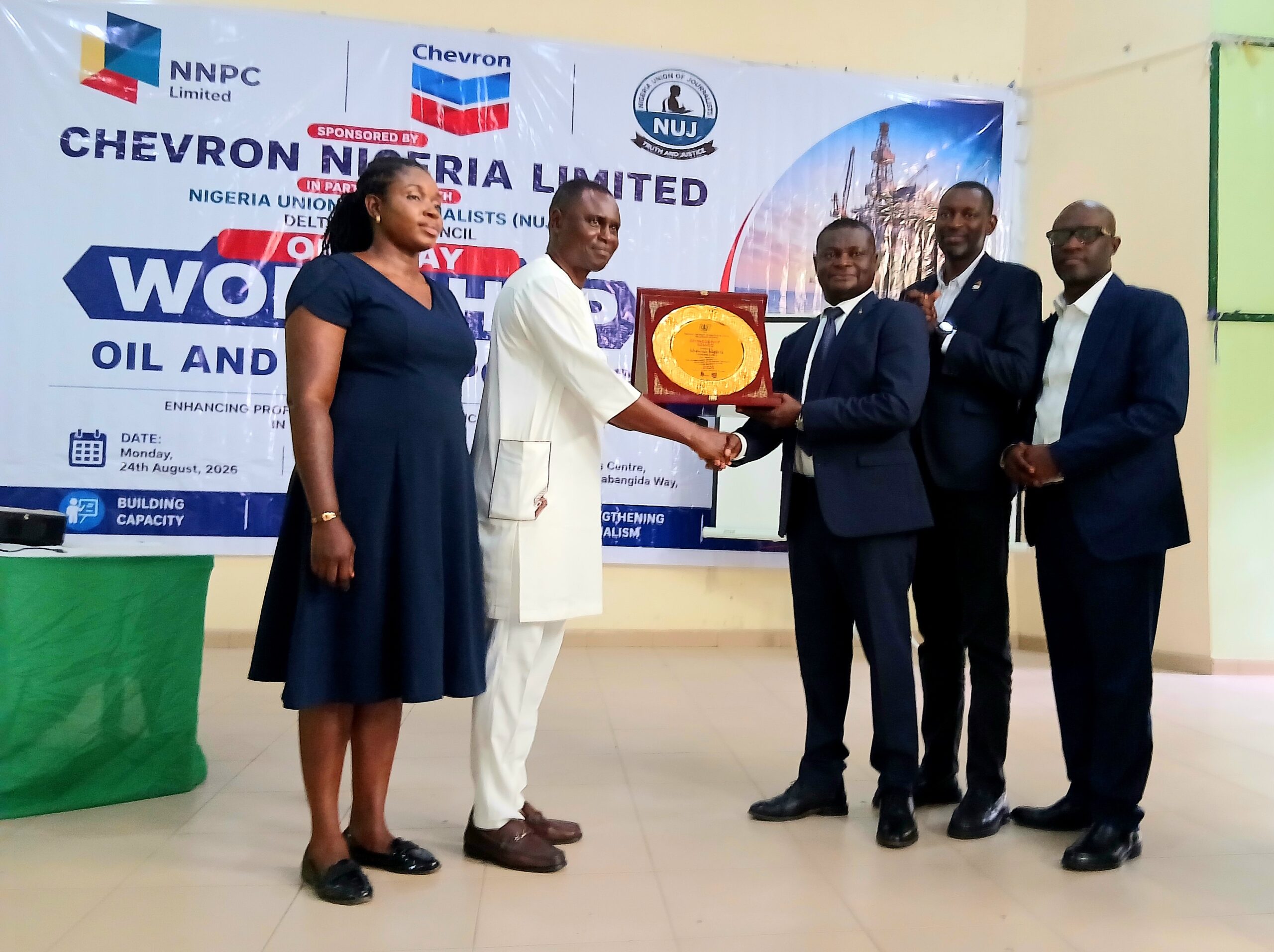
By Christopher Odamah, Asaba
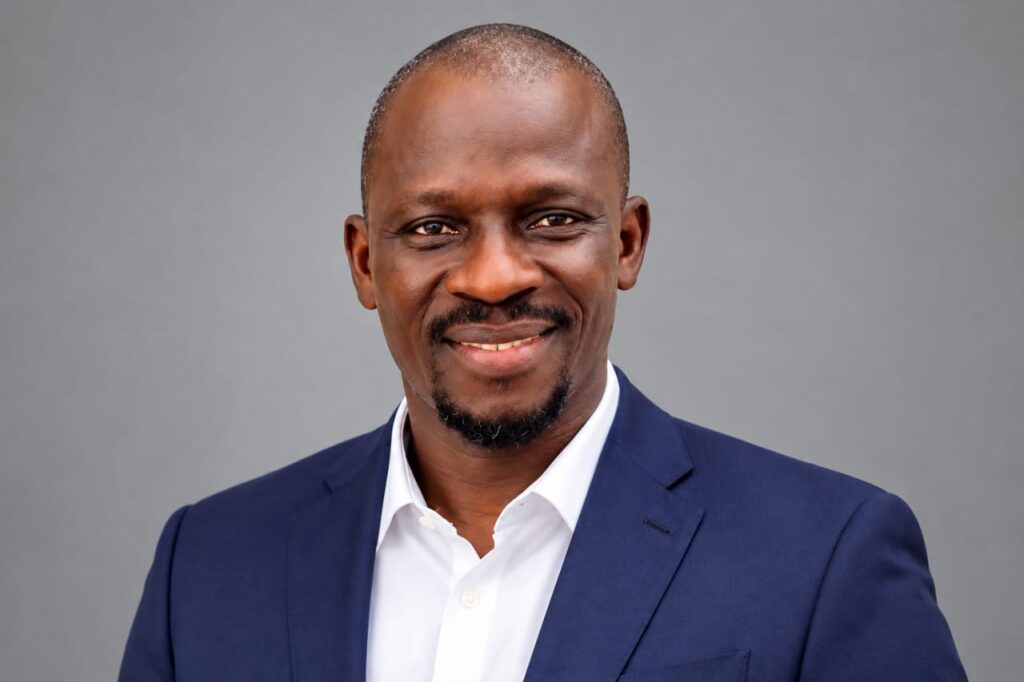
The Manager, Communications, Chevron Nigeria Limited, Dr. Anyaegbudike Victor, has urged journalists covering Nigeria’s oil and gas industry to deepen their knowledge of the sector, warning that inaccurate or poorly contextualised reports could negatively affect public perception, investors and the wider energy market.
Anyaegbudike, who represented the General Manager, Corporate Affairs, Chevron Nigeria Limited, Oduselu Olusoga, gave the warning in Asaba yesterday at a one-day Oil and Gas Reporting Workshop organised by the Nigeria Union of Journalists (NUJ), Delta State Council, in partnership with Chevron Nigeria Limited.
He described the oil and gas industry as highly sensitive, complex and economically critical to Nigeria, stressing that journalists reporting the sector must possess the capacity to analyse developments, engage stakeholders and provide objective, responsible and responsive reports.
“What you say can make or mar the industry,” Anyaegbudike said, noting that developments in Nigeria’s energy sector could have implications beyond the country because the industry operates within a global market.
According to him, Journalists are agenda setters who shape public opinion by providing information on sectors and developments that members of the public may not have direct access to.
He warned that inaccurate reports on oil production, drilling programmes and other industry developments could create negative perceptions among investors, potentially affecting companies’ share values and the wider market.
In his words, “Only well-equipped Journalists could effectively engage government and industry stakeholders and provide accurate and balanced reports on the sector.”
Anyaegbudike disclosed that Chevron began its specialised training programme for Journalists in 2014 in partnership with Pan-Atlantic University, Lagos, with more than 300 journalists trained over several years.
He also said the company later expanded the programme by taking the training to Journalists in the various locations where they practise, rather than concentrating it in one central location.
According to him, “The programme is currently being implemented in different parts of the country, including Delta, Lagos and the Federal Capital Territory, with 485 Journalists trained within the past two years”.
He described the figure as significant in Chevron’s efforts to strengthen the capacity of Journalists to report the energy sector more professionally.
The Chevron communications manager also highlighted the company’s partnership with host communities in the Niger Delta, particularly through the Global Memorandum of Understanding (GMoU) model. Under the GMoU, he added, communities identify their development priorities and prepare five-year development plans, while Chevron provides funding and works with non-governmental organisations to support and monitor implementation.
He said the principles underpinning the GMoU, including participation, transparency, accountability, sustainability and capacity building, were subsequently reflected in the Host Community Development Trust (HCDT) provisions of the Petroleum Industry Act (PIA).
Anyaegbudike said Chevron spends about $1 billion annually on developing Nigerian content, adding that the company had invested about $10 billion in the area over the past decade.
He said the company’s activities had contributed to the growth and capacity development of indigenous contractors in the Niger Delta.
Speaking on gas and the energy transition, Anyaegbudike described gas as Nigeria’s primary transition fuel towards cleaner energy, saying Chevron remained committed to increasing the utilisation of gas in the domestic market.
He said the company had undertaken gas-gathering projects, including the Meji and Escravos projects, aimed at reducing gas flaring and making more gas available for domestic consumption.
Anyaegbudike also reaffirmed Chevron’s commitment to oil exploration and production in Nigeria, saying the company was pursuing cleaner, safer and more reliable oil production.
The company was undertaking new exploration activities in the Niger Delta and partnering with other major oil companies on projects.
He said Chevron remained active across onshore, shallow-water, offshore and deep-offshore operations, adding that the company remained committed to its long-term partnership with Nigeria.
“Right now, we are not going anywhere,” he said Chevron’s continued presence in Nigeria was anchored on its partnerships with host communities and its long-term commitment to the country’s energy sector.