
 111
 2
 3
By EUBALDUS ENAHORO
For nearly a decade, mentioning Ogheghe community along Sapele Road in Ikpoba-Okha Local Government Area of Edo State was almost synonymous with hardship, frustration and government neglect.
During the dry season, clouds of dust enveloped the community, leaving schoolchildren and residents struggling to breathe. In the rainy season, the situation became even worse as the road turned into a muddy stretch, making transportation difficult and, at times, virtually impossible.
Vehicles became trapped in potholes, motorcycles skidded off the road, while pregnant women and critically ill residents faced enormous difficulties accessing healthcare facilities.
Farmers also bore the consequences of the deplorable road. Their yams, plantains and cassava often remained stranded on farms because vehicles could hardly access the community to evacuate their produce.
For commuters, the experience was equally distressing. Long queues of vehicles became a familiar sight as motorists struggled to navigate the bad portions of the road. Residents returning home from work and school frequently endured frustrating delays.
The situation eventually provoked protests by youths of the community, who barricaded the major road in an effort to draw government attention to their plight.
Pa. Osayande, a 72-year-old community elder, recalls the years of frustration. “My son, we have written letters, we have staged protests and voted for different governments.
Whenever elections approached, they would bring a grader, grade the road, take pictures and leave. After the elections, the road would deteriorate again.
“Our children could hardly go to school easily. If someone fell sick at night, we would simply pray because an ambulance could hardly enter Ogheghe,” he lamented.
Mama Deborah, a market woman who makes and sells garri, also recalled the economic hardship imposed by the road.
“I used to pay over N2,000 to transport a bag of garri to my customers. Sometimes, the keke would fall into a pothole and my garri would spill into the water. We were losing money every market day. Many of our youths eventually left the community because of the road,” she said.
For the people of Ogheghe, the road had become a symbol of prolonged neglect. Successive administrations had made promises, but residents maintained that little meaningful improvement was achieved.
The old road leading into the heart of the community eventually became almost impassable, with weeds taking over sections of the abandoned route.
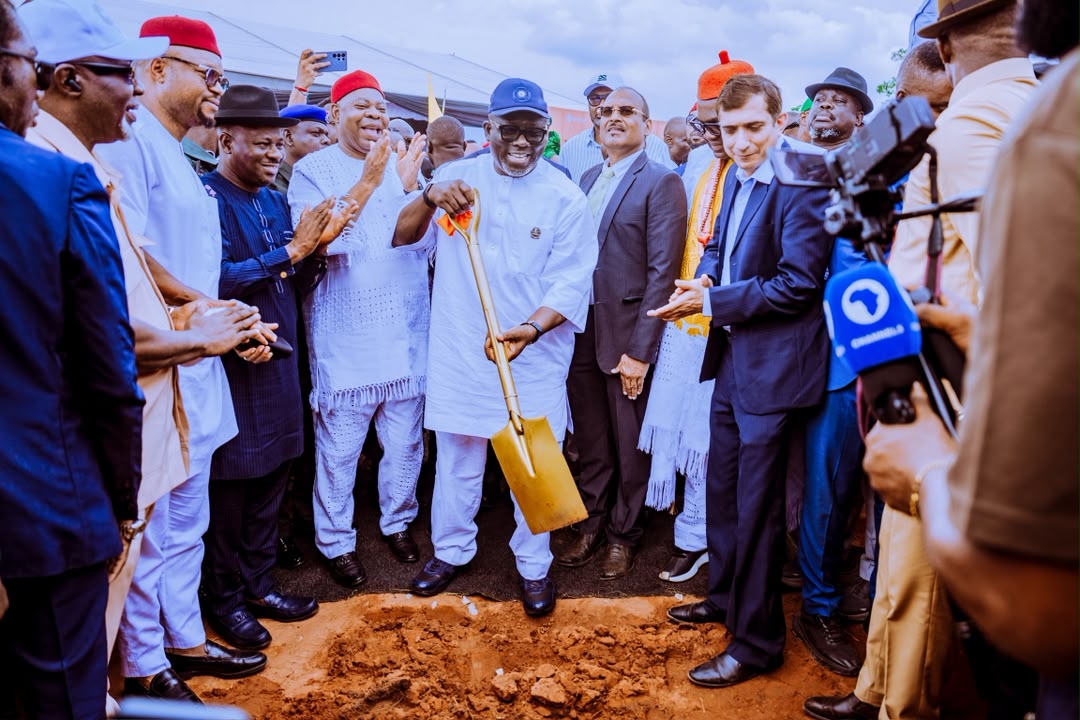
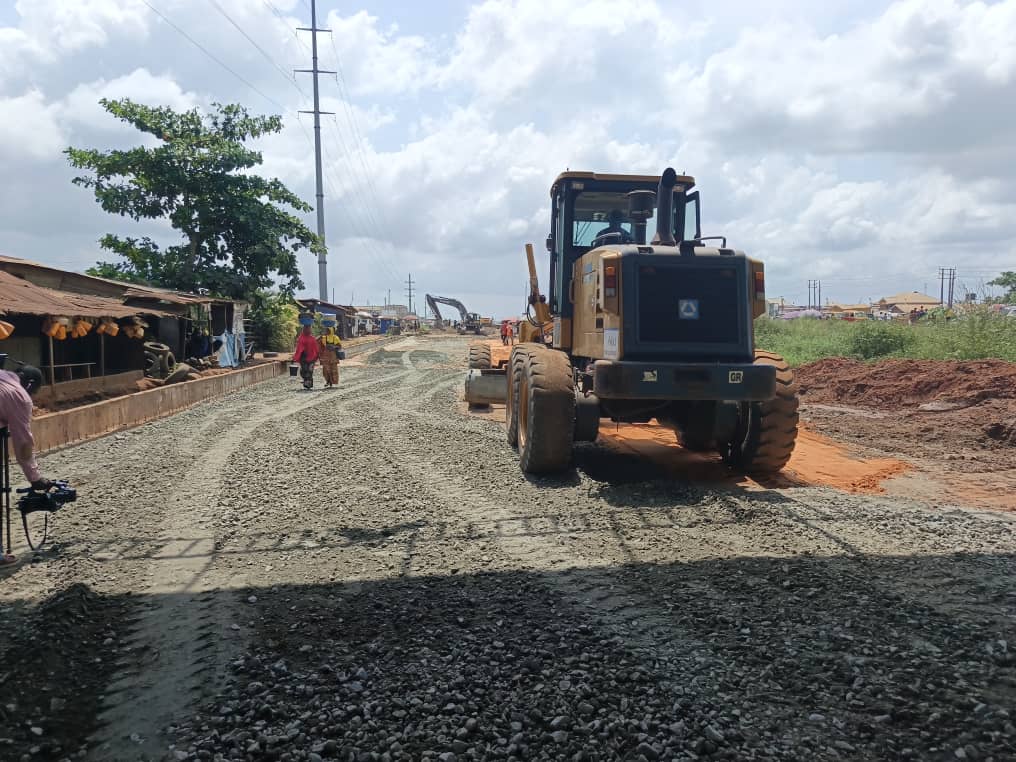
However, following the assumption of office by Governor Monday Okpebholo, the community’s experience began to change with the commencement of road construction under the administration’s SHINE Agenda.
Rather than routine grading and temporary repairs, the intervention involved road construction, drainage works, earthworks, asphalt laying and the rehabilitation of the previously abandoned access road.
The development has reportedly improved access to Ogheghe and adjoining communities, easing transportation and reconnecting residents with neighbouring settlements.
Today, motorists can drive into parts of the community with greater ease, while commercial motorcycles, tricycles and pedestrians have also benefited from the improved access.
The impact is increasingly visible in the community’s economic and social activities.
Traders are returning to their businesses, while some landlords who had previously abandoned their properties are reportedly returning to renovate and repaint their houses.
Residents also say property values have appreciated considerably, with some suggesting that land values have multiplied since the road intervention.
Mr Monday Osifo, a youth leader and member of an opposition political party in the state, acknowledged the development, describing it as a significant intervention in the community.
“We are happy. This is the first time a governor has remembered us in this manner. Governor Okpebholo did not merely make promises on television; we have seen work taking place.
“He has shown that government intervention can reach communities that have suffered neglect for years,” he said.
Osifo, however, recalled that previous administrations had often cited the federal ownership of the major road as a reason for the absence of substantial intervention.
An elderly resident, Mama Adesuwa, was equally emotional about the development.
“I thought I would die without seeing this road become good. Now my grandchildren can drive into the community to visit me. God bless Governor Okpebholo,” she said.
For Ogheghe, the road project represents more than asphalt and drainage infrastructure. It means improved access to schools, healthcare facilities, markets and other essential services.
It also highlights the importance of extending infrastructure development beyond the urban centres to rural and semi-urban communities whose residents depend heavily on accessible roads for their livelihoods.
A marketer with a reputable publishing company, who also expressed satisfaction with the development, particularly commended the drainage component of the project.
“What we are experiencing today on this road is wonderful. The governor has addressed the water problem that used to make vehicles fall into dangerous portions of the road. The drainage has made a remarkable difference,” the marketer observed.
Indeed, the improved road has altered the everyday experience of residents. Children can move around with less exposure to the dust that previously characterised the dry season, while traders and farmers have better opportunities to transport their goods.
The rehabilitation of the old abandoned road has also restored an important access route that residents had almost given up on.
As the 2027 general election approaches, the Ogheghe experience is likely to feature prominently in conversations about infrastructure, government performance and the expectations of rural communities.
For residents who endured years of difficult transportation, the road has become an important reference point in assessing the impact of government intervention.
Their accounts underline a fundamental expectation of governance: that development should reach every community, irrespective of its location or political affiliation.
For Ogheghe, a community that once struggled to attract attention because of its deplorable road network, the ongoing transformation has brought renewed hope and opened fresh possibilities for economic and social development.
Eubaldus Enahoro is a former Editor of the Nigerian Observer Newspaper