
 11
11
By Maxwell Kumoye
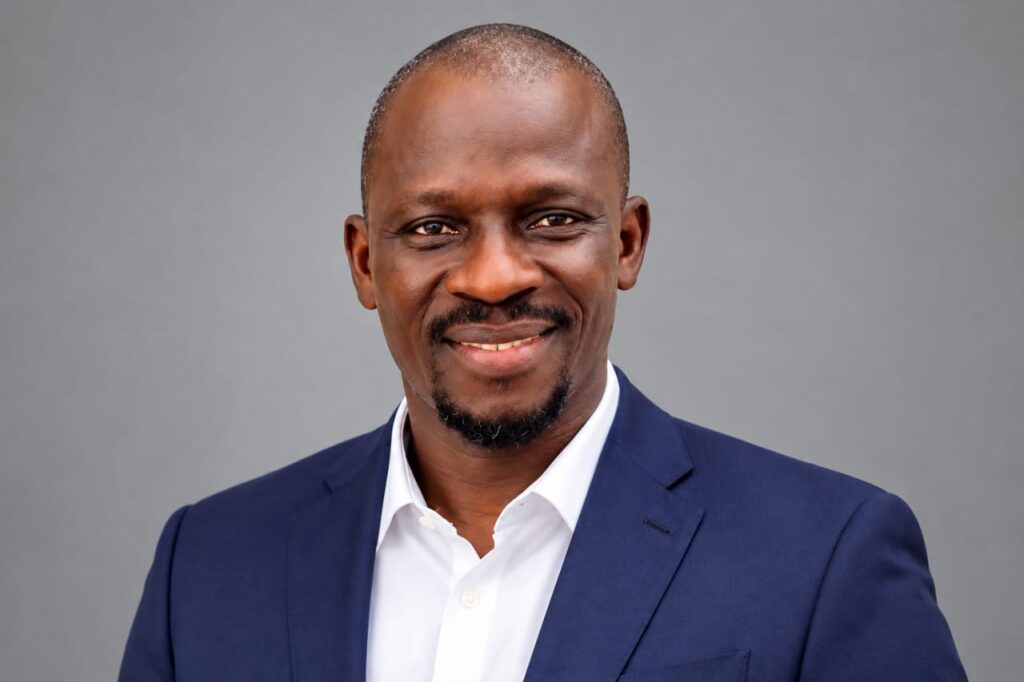
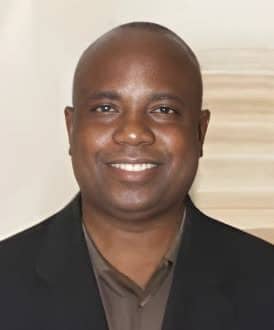
Seasoned journalist and football governance analyst, Osasu Obayiuwana, has called for fundamental reforms in Nigerian football, saying the country has enough competent professionals to transform the sport if its institutions are properly restructured.
Obayiuwana, who served on the Nigeria Football Federation (NFF) Governance Reform Committee between 2018 and 2020, said his experience on the committee convinced him that deep-rooted administrative weaknesses were hampering the development of Nigerian football.
Speaking on the state of football administration in the country, he said the committee produced detailed recommendations aimed at improving the governance of the NFF, but alleged that the proposals were ultimately ignored by the federation’s leadership at the time.
He recalled that one experience during the committee’s work particularly exposed what he described as weaknesses in the federation’s administrative structure.
According to Obayiuwana, he repeatedly requested the NFF’s organisational chart to enable the committee understand the federation’s flow of authority and chain of command.
He claimed that the document was not provided for about three months despite repeated requests and, when eventually produced, was merely a “pathetic scrap of paper” that offered little useful information.
For him, the experience demonstrated the need for a more professional and clearly defined governance structure within Nigerian football.
His comments come amid renewed scrutiny of the administration of Nigerian football following the Super Falcons’ disappointing campaign at the 2026 Women’s Africa Cup of Nations.
Obayiuwana also questioned the timing of complaints recently raised by former Super Falcons assistant coach, Justin Madugu, and NFF Technical Director, Austin Eguavoen, concerning challenges they allegedly encountered while working within the federation.
While acknowledging the frustrations expressed by both men, he questioned why some of the concerns were only made public after the Super Falcons’ exit from the competition.
Obayiuwana specifically raised questions over reports that Madugu had been owed wages dating back to his appointment as an assistant coach in 2022.
He also challenged Eguavoen, a former Super Eagles captain and coach, to explain why he had not publicly raised concerns earlier about the lack of material support he allegedly received in his capacity as Technical Director.
Drawing comparisons with football administration in Europe, Obayiuwana pointed to instances where prominent officials resigned when they believed their authority or professional responsibilities were being undermined.
He argued that professionals entrusted with important positions should be prepared to defend the integrity of their offices rather than remain silent until crises emerge.
The football governance analyst also recalled a conversation he had with NFF President Ibrahim Musa Gusau during the 2024 Africa Cup of Nations in Côte d’Ivoire.
According to Obayiuwana, Gusau questioned why he regularly criticised the administration of Nigerian football publicly instead of offering his counsel privately.
He said he explained that, as a journalist and governance analyst, his responsibility was to bring issues affecting football administration to public attention rather than act as a private adviser or “courtier.”
Obayiuwana maintained that Nigeria possesses people with the ability to manage football at the highest level, but stressed that personnel alone would not solve the country’s problems.
“Nigeria has brilliant, world-class people that can run football properly,” he said, arguing that without institutional reforms, Nigerian football would continue to struggle under a system that rewards mediocrity.
He said the country’s football crisis should therefore not be viewed simply as a problem involving coaches, players or individual administrators, but as a broader issue concerning the structure and culture of the institutions responsible for managing the sport.
According to him, meaningful progress will only be achieved when governance reforms are implemented and Nigerian football administration is built around competence, transparency, accountability and integrity.
Until then, he warned, Nigerian football may continue to struggle to fulfil its enormous potential.