
 11
11
By Churchill Oyowe & Josephine Omodior
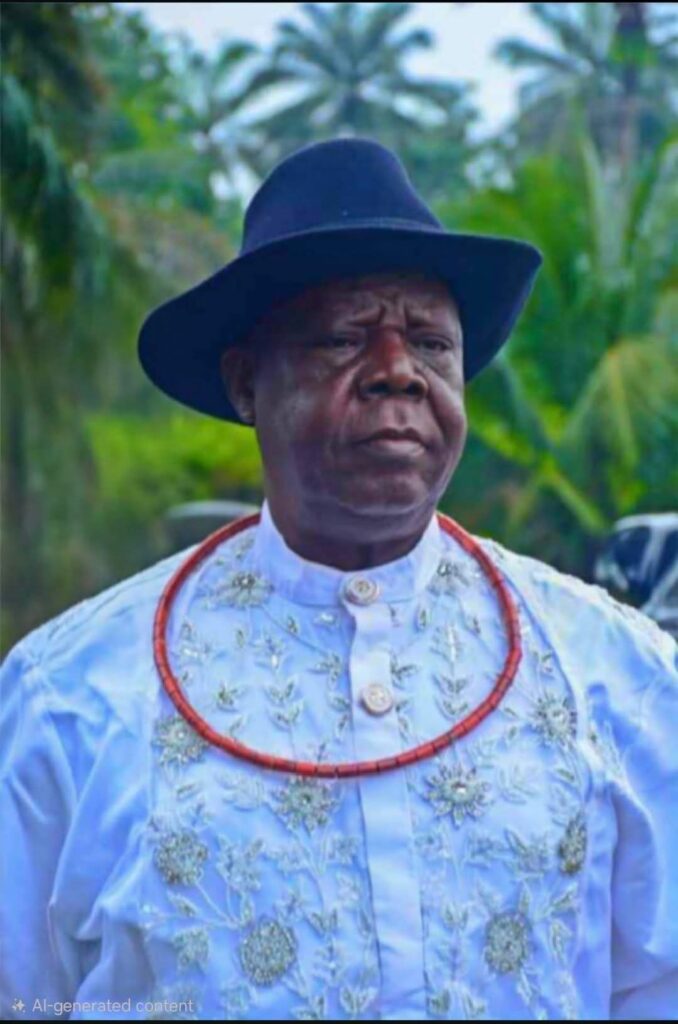
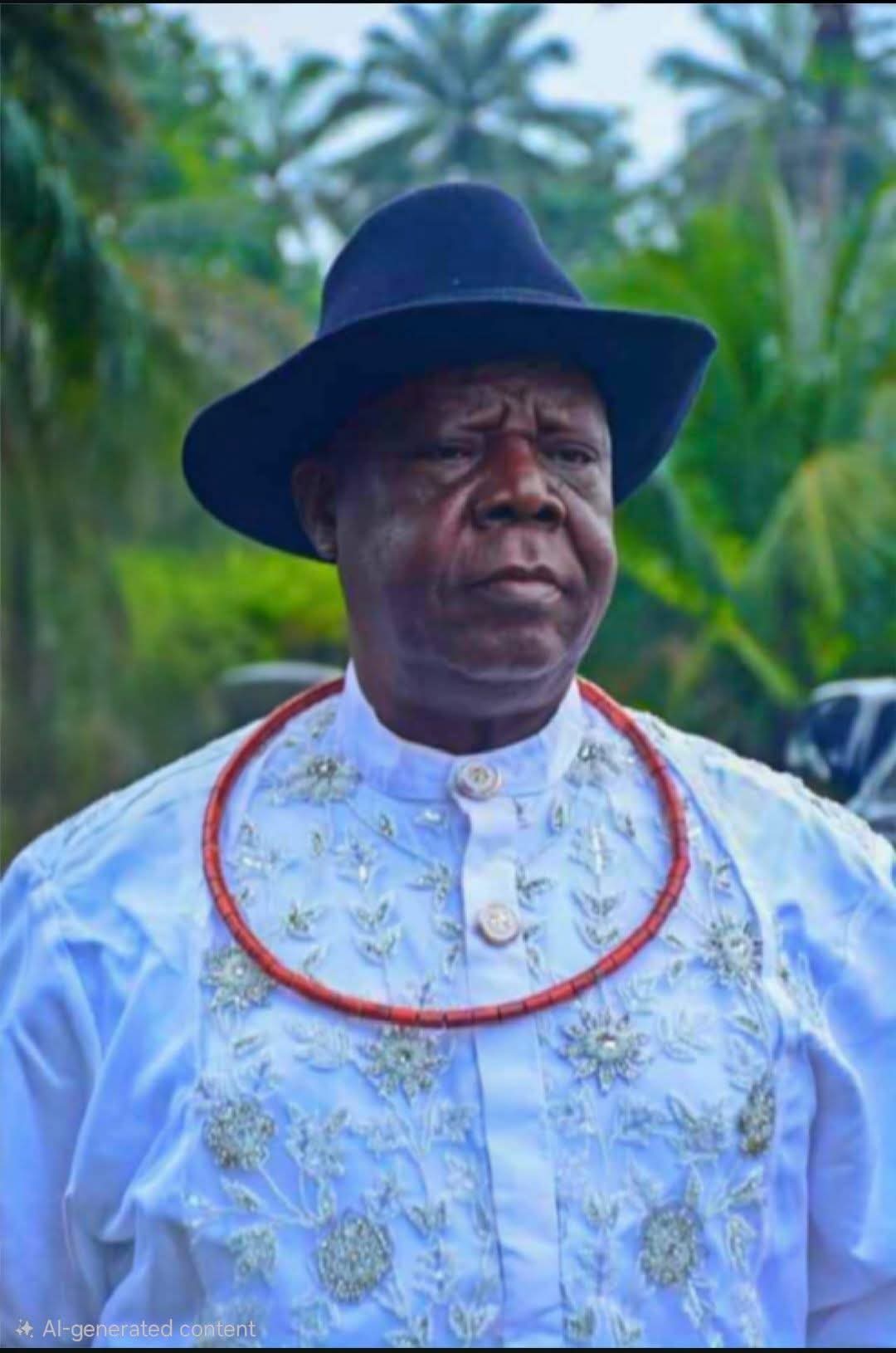
As Chief James Onanefe Ibori marks his 68th birthday, it is appropriate to pause and reflect on the place of the former Delta State governor in the political and developmental history of the state.
Ibori governed Delta State from 1999 to 2007, a period that remains significant in the evolution of the state. Nearly two decades after he left office, debates about his administration continue, as they do around virtually every major political figure whose tenure left a visible imprint on society.
But beyond politics, partisan loyalties and the controversies that have accompanied his public career, there is another dimension of the Ibori years that deserves attention: the people whose lives and careers were shaped by the opportunities created during that period.
Perhaps nowhere is this more evident than in the Delta State Public Service.
One of the major features of the Ibori administration was the expansion of the state’s workforce. Thousands of young men and women were recruited into the mainstream civil service, particularly between December 2000 and July 2001, with further recruitment exercises in subsequent years, including 2002 and 2006.
Others found employment across ministries, departments, agencies and parastatals.
For many of those recruits, securing a government job was much more than receiving an appointment letter. It was the beginning of a career and, in many instances, the foundation upon which families were built.
A young graduate who entered the Delta State Public Service in the early 2000s and has remained there for more than two decades has accumulated something that cannot easily be measured in financial terms — experience, institutional knowledge, professional growth and the opportunity to serve the state.
Many of those young men and women are no longer young recruits. They have risen through the ranks and today occupy senior positions within the public service.
Some have become directors, permanent secretaries, heads of departments and senior administrators. The young workforce of the early 2000s has, in many respects, become part of the institutional leadership of Delta State today.
That is an important legacy of governance which is sometimes overlooked.
Governments are often judged by the roads they construct, the bridges they build and the physical structures they leave behind. Those things matter. But governments also leave behind human institutions.
A person employed at 25 may still be serving at 55. In that period, the state does not merely gain an employee; it gains decades of institutional memory and professional experience.
This is why the expansion of the public service during the Ibori years deserves to be considered as part of the larger story of Delta State’s development.
The impact was not limited to the employees themselves. Regular employment enabled many families to plan their lives with greater confidence. Salaries supported children’s education, home ownership, transportation and other household needs.
There was a period when being a Delta State civil servant carried considerable social and economic confidence. A government worker could reasonably aspire to acquire land, build a house, purchase a vehicle and educate his or her children through legitimate earnings.
That social dimension of public employment should not be dismissed when assessing the history of the state.
The physical development of Delta during the Ibori years also deserves consideration.
Road construction and rehabilitation were prominent features of the administration’s development agenda. Communities were opened up, connections between urban and rural areas improved, and infrastructure was deployed to facilitate movement, commerce and economic activity.
Bridges were not simply structures of concrete and steel. In several communities, they represented connections to markets, schools, health facilities and other opportunities.
Education and healthcare also received attention during the period, with subsequent administrations building on, expanding or modifying some of the initiatives.
None of this means that the Ibori administration was without shortcomings. Nor does acknowledging its achievements require anyone to ignore the controversies surrounding the former governor.
History is rarely that simple.
Public figures should be examined in their full context. Their achievements should be acknowledged, their shortcomings scrutinised and the circumstances of their time properly understood.
The temptation to judge the past entirely through the politics of the present can, however, lead to an incomplete account of history.
Ibori’s administration also produced a political class and public-service generation that went on to play important roles in Delta’s affairs.
Many of the commissioners, advisers and other appointees who served during the period were given considerable room to manage their portfolios and demonstrate their abilities. For some, those responsibilities became important stages in their political and professional development.
Leadership, after all, is not only about what a leader personally accomplishes. It is also about the people he empowers, the institutions he strengthens and the opportunities he creates for others.
That is perhaps why Ibori’s 68th birthday offers an opportunity for something more useful than political praise or condemnation.
It offers an opportunity for reflection.
What happens to the people who entered public service during an administration? What institutions survived after that administration ended? What roads, bridges, schools and health facilities continued to serve communities? What careers were built? What families were supported?
Those questions provide a more enduring way of examining public leadership.
For the Nigeria Union of Journalists, Delta State Council, the thousands of Deltans who secured employment during the Ibori years, the families whose economic circumstances were strengthened, the communities connected by infrastructure and the public servants who have continued to serve the state constitute an important part of that history.
Celebrating a former governor does not mean declaring his tenure perfect. It means recognising that, like every administration, it had achievements and shortcomings.
At 68, Chief James Onanefe Ibori deserves to have the positive aspects of his contribution to Delta State remembered alongside the debates that have surrounded his political career.
Governments come and go. Political alliances change. Administrations are succeeded by others.
But the human beings whose lives are changed by public policy remain.
A young graduate who got a government job, built a career, raised a family and eventually rose to a senior position in the service carries the effect of that opportunity for a lifetime.
That is why, in and out of season, the positive contributions associated with the Ibori years deserve to be remembered.
Not as an exercise in partisan politics, but as part of Delta State’s history.
And history, properly understood, should have room for both appreciation and scrutiny.
Happy 68th birthday, Chief James Onanefe Ibori.